Building a Levain

Melody lives in the Minnesota Big Woods with her husband and five children. She is a baker, archer, homesteader, and more. Her goal is to help people learn the old ways of working, making, and doing.

Building a Levain


In order to bake with your starter, you have to build it up. How I do this is pour about ½ cup of starter that needs to be fed into a bowl leaving about ½ cup in the jar. Feed what’s in your jar like normal then set it aside. Add ½ cup of flour and ½ cup of water to your bowl of starter, stir it around, and let it sit for awhile. The time is dependent on ambient temperature and type of flour, so there is no rule, but usually it can be ready in as little as ½ hour or you could choose to wait up to 8 hours. It’s vibrant and ready when it starts getting foamy or when you stir it and the bubbles immediately start to pop back up. If you stir it and it takes awhile for bubbles to form or they are sluggish and slow rising, let it sit a bit longer. I make my levain with whole wheat because it is ready faster.

Basic Recipe:

Ingredients

½ cup active sourdough starter

1 ¼ cup lukewarm water (or more, depending on your flour type)

3 cups flour

1 ½ teaspoons fine sea salt


● In a large bowl combine the starter and water. Stir in the flour and use a wooden spoon or stiff spatula to mix everything together until the flour is incorporated into the water fully. You want it to look “shaggy”, not a nice formed little ball, just a big mess of wet dough.

● Keep the rough dough in the bowl, cover it, and let sit for anywhere from 30 minutes to a few hours. Sourdough isn’t that finicky and the times are more like guidelines but not actual rules. After this time, add the salt by sprinkling it over the dough. Wet your hands and then fold the dough over itself until the salt is fully dissolved. Let the dough rest for a bit. Your dough should not look like a formed ball yet, so don’t worry about that! Still just a big sticky mess.

● After this resting time is complete, stretch and fold the dough a few times to form it into a ball. Stretch and fold is simply grabbing one side of the dough and pulling it high (but not high enough that the dough breaks apart), and then folding it on top of the rest of the dough. Stretch and fold is a critical part of sourdough making as it is what develops the gluten protein strands that give the dough elasticity.

● Cover the dough with either a loose lid, waxed cloth, or dish towel. Let it rise occasionally stretching and folding it. You can do as many stretch and folds as you like, but you can also only do a few. I usually aim for 5 or so. It only takes about 30 seconds to do a stretch and fold. More stretch and folds = more surface tension
created =a better crust on your bread, but you’re not kneading and should be sure not to overdo it. As you fold will you see your dough form up tighter and the dough will not stretch quite as far as you continue with each fold.

● My timeline often looks like this: I will often mix up my dough in the morning. I will stretch and fold the dough periodically throughout the day, probably 4-5 times. I’ll let it sit in the refrigerator overnight in a covered bowl. The next morning, I will form it into loaves and bake it after the dough rests for about a half hour (or up to 8 hours in the fridge). If I am making artisan bread, I use a banneton basket for a longer rise. This is just a basket that bread bakers use that give the loaf its shape. If I am using a bread pan, I just set it in the pan and leave it in the fridge for awhile. Shaping and forming your loaf is part of the process that may be best learned from watching a video. You can check out my tutorial on instagram or just look up the information on youtube. Shaping the loaves is just a trial and error learning process!

● After forming and putting the dough into a banneton or pan, and after it has had a
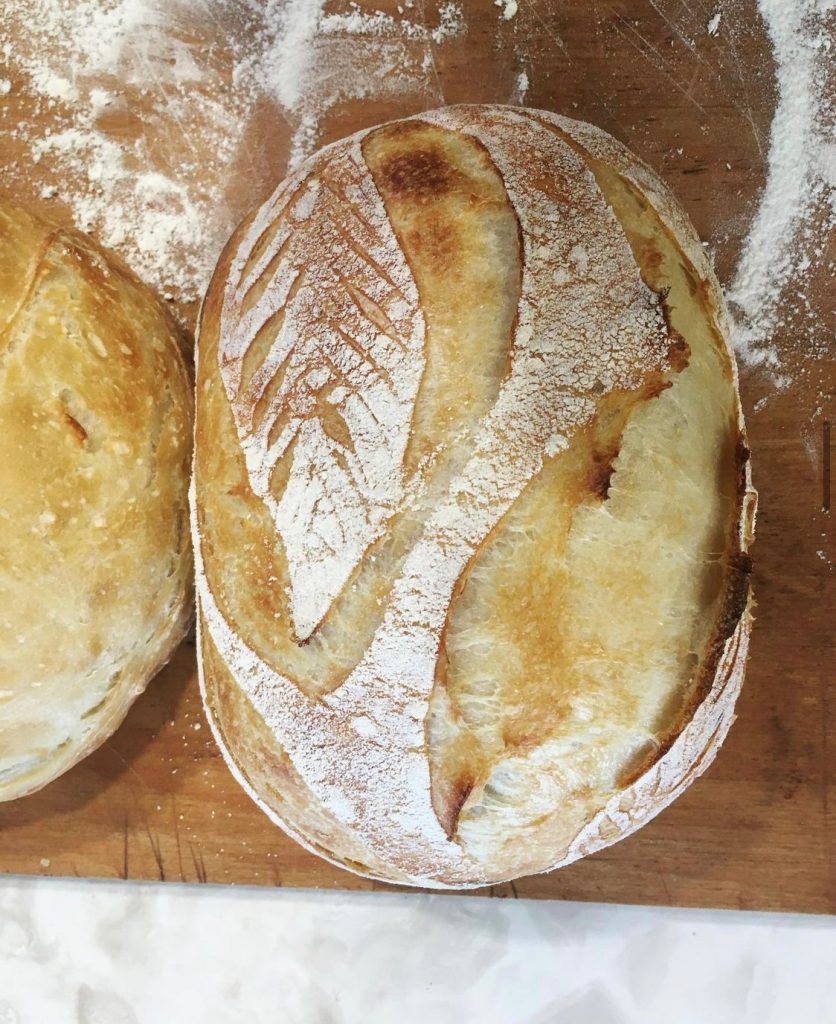
resting period, prepare to bake! This is when you will score the loaves. I use a bread lame (pronounced lah-em) to score because it is easier, but you could use any sharp knife. The thinner and sharper the blade, the better the result. It is easiest to score chilled dough. Scoring is an art! This is what makes the bread
have beautiful patterns. What you are doing when you are scoring is giving the dough an expansion point. If you don’t score your bread, it will find a weak spot in the dough and “blow out” of there. As it rises, it needs to expand and any weak point will be the preferable point of this expansion. I would start with one long cut down the middle if in a loaf pan and a cut on the side if you’re making an oblong artisan loaf. A boule (small round loaf) I usually score with a smiley face. It’s easy to remember, but also optimum expansion points.

● Preheat the oven to 500F. If baking in a pan, bake for 27 minutes in a covered vessel like a dutch oven. Remove the lid and bake for another 10-15 minutes or until the desired crust color is achieved. If not in a bread pan, I shorten the first bake time to around 24 minutes and then remove the lid. Be sure that if you use a bread tin, you grease it first. If you use a dutch oven, line it with parchment or a generous amount of semolina flour. It will become one with the pan if you don’t grease it or use parchment! I always put a baking stone on the rack and set my dutch oven on top. Metal is extremely conductive and has a tendency to burn bread, putting a stone underneath can more evenly distribute the heat. Make sure that if you use a stone, you have it preheat with the oven or it may crack on you.

● When you remove your bread from the oven, tap the bottom. If it sounds hollow, it is done. If it does not, it may need to bake a little longer. The final step is to let your loaf sit at least an hour before cutting into it. This is a necessary part of continual baking as the baked bread captures steam and develops the inside of the loaf. It’s tempting to break in right away, but it won’t be nearly as good.

Answers to Common Questions

What type of flour should I use?

I use plain, unbleached, Dakota Maid white flour. Enriched is fine, bleached is not. It removes some of the beneficial things that make the starter bubble. I used to buy fancy expensive organic flour, but I have found that the basic stuff works great too. I use an organic spelt flour to build up my levain (more on that in the recipe section) because it metabolizes faster and gives the bread a nice texture, however, any whole grain flour would work. I never feed my starter with anything but unbleached white flour. If you feed it with whole wheat, the taste will change and it will need to be fed more often.

What and how often do I feed it?

Just a little flour and water, nothing fancy. Try to match the quantity you’re feeding with how much you feed it. For example: ½ cup of starter, ½ cup of water, and ½ cup of flour. Over time I have started feeding my starter so I attain the texture I want, not based off of measurement. Every flour has a different hydration (how much water it will soak up) and so with sourdough (and all bread baking) exact measurements are not always transferable. You want a slightly chunky, sticky texture that is thicker than pancake batter, but not a dough. If my starter is at room temperature, say, living on the counter, I feed it morning and night. If it’s in the fridge, I feed it every few days or before I am going to bake. After awhile in the fridge or too long between feeding on the counter it will develop a “hooch”…

What is the black liquid on top of my starter?!

It’s hooch. It can smell like wine or vinegar, but if it has mold or a pungent (rotten, not sour) smell, it may be bad. If it develops don’t worry! Your starter is not dead. It
happens when the starter has used up the available starch and sugars in the flour and so it is “hungry”. Feed it. It’s hard to kill, but a few weeks of solid neglect will kill even a hearty starter.
When it stops bubbling it just means that it has used up most of the available food (starch). If it hasn’t been months, you could probably just go ahead and use the starter. Otherwise feed again and discard the excess. You have to remember that it only takes 4 to 6 hours at warm temperatures for a starter to use up most of its food. When the starter separates, it just means that it is not fermenting fast enough to keep
the flour particles in suspension. often that is caused by the culture running out of food or, if kept in the refrigerator it has slowed due to cold. The cure, usually, is just to feed it. If you are going to let it sit for a second overnight period, you should definitely feed the culture and discard the excess.

How do I store my bread so it doesn’t get hard right away?

Leaving your bread uncovered or loosely covered with a cloth etc. will make the bread get pretty hard. The reason is it balances it’s humidity with its surrounding i.e. it will lose hydration and dry out. That’s not good! I keep mine in the same dutch oven I bake it in. I keep a folded piece of parchment paper under it to help with humidity and keep the lid on whenever we are not using the bread. This makes for a wonderful texture even on day 4 after baking! And covered vessel without air holes will work, but after many attempts at other types I stick with a cast iron pot or dutch oven with a nicely fitting lid.

A few more things…

Warmer temperature=faster metabolization.

Warmer environment will develop your starter faster, but don’t allow it to get about 85F or you risk killing the microbes. Conversely, cooler temperatures will make your starter develop more slowly. 

Whole Grain: Whole grain is heavier than white flour as it includes the bran and germ.
Your fresh milled grain may well have its own organisms on it that can compete and interfere with the sourdough growth and health. The bran and germ often make the starter too sour and change its flavor, also, bran has a bit of a bitter taste. All reasons I use plain , unbleached white flour.

To bread pan or not to bread pan…
I use a bread pan inside of my dutch oven because my family prefers the shape of bread that can fit easily in a toaster. They also don’t like the beautiful large bread holes that you get from making an artisan loaf. They don’t like their toppings dripping through the holes! A bread pan creates resistance to expansion and will result in a more dense loaf. A free form (artisan) loaf will expand evenly across all direction and will have large airy holes inside.

Things that can kill your starter…

1. Not feeding it enough times to get it going. Sometimes it is slow to get going and feeding it more water and flour a few times (at least once a day for up to a week) usually gets it revived.

2. Too much heat. Keep it below 85F.

3. Chlorinated water. Some water systems use a form of chlorination that wont dissipate and/or is at a level that kills the organisms in the starter. Also, reverse osmosis water isn’t
the best as it often has the minerals needed for metabolization removed. If you have good flour and your starter isn’t lively, it may be your water.

Parting thoughts

All of this may sound very complicated, but I assure you, I wouldn’t be making 10+ loaves a week for my family if the process was overly difficult! Find your own rhythm, make your own tweaks to the recipe, and have fun with it. If it turns out flat, make it into croutons. If it has too big of holes, use a bread pan to decrease expansion. If the crust is too thick, shorten baking time. It’s hard to completely ruin a loaf, and every loaf doesn’t need to look like it’s from a cookbook! This is one of the oldest ways of baking in the world, don’t overly complicate it by making it into an exact process with timers (other than for baking) and rigid systems. I hope you enjoy and have great success with your sourdough baking!

Please feel free to contact me with absolutely any questions. I have done video coaching on sourdough before, and I am available on IG often and by email at: [email protected]

COMMUNITY

Please join us by sharing, continuing the conversation below, and connecting with Melody at the following:

Share

MORE Stories

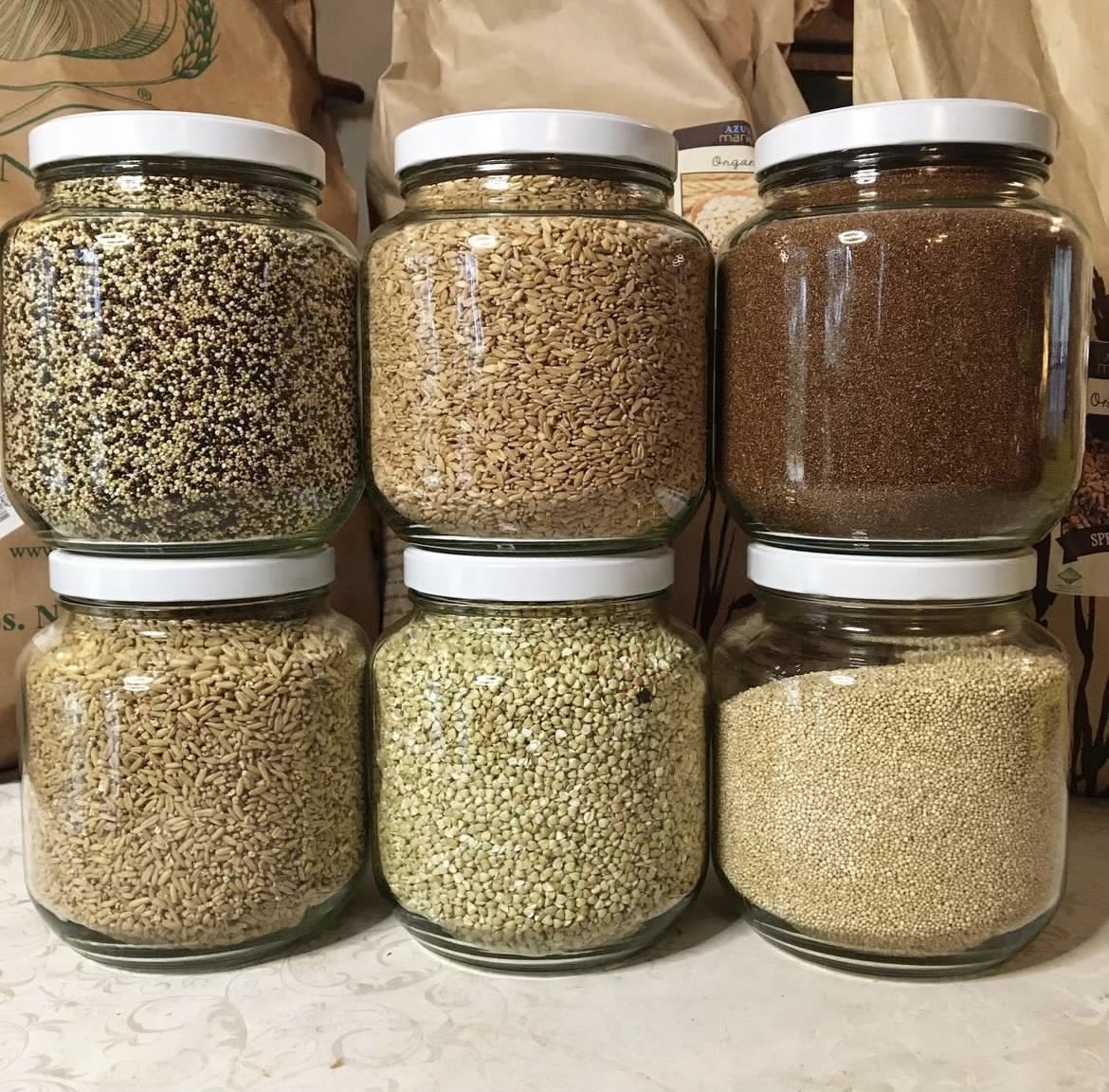
Start Milling at Home

If you want to be self-sufficient and feed your family healthy hearty meals from scratch, you’ve got to
start milling at home. I know, I know, it sounds complicated and al little bit scary, right? But it doesn’t
have to be!

Read More

Deeply Rooted

I am not well traveled. I’ve never flown on a plane. I’ve never been north of Ohio or west of Texas.I’m not as well traveled as some may say one should be, but this piece of land has housed all of my fondest memories…

Read More

Embracing Joy on a Humble Life Journey

Do you ever worry that your kids will miss out because of this homesteading lifestyle choice? This fear crosses my mind time to time. I’m sure many, if not most of you, could agree that it can be extremely difficult to get extended time away from the homestead for more than a full day, especially in the busy summer months when daily chores demand our regular attention…
Read More

Healing on the Homestead

“In some Native languages the term for plants translates to ‘those who take care of us’ … the land knows you, even when you are lost.” – Robin Wall Kimmerer, Braiding Sweetgrass…
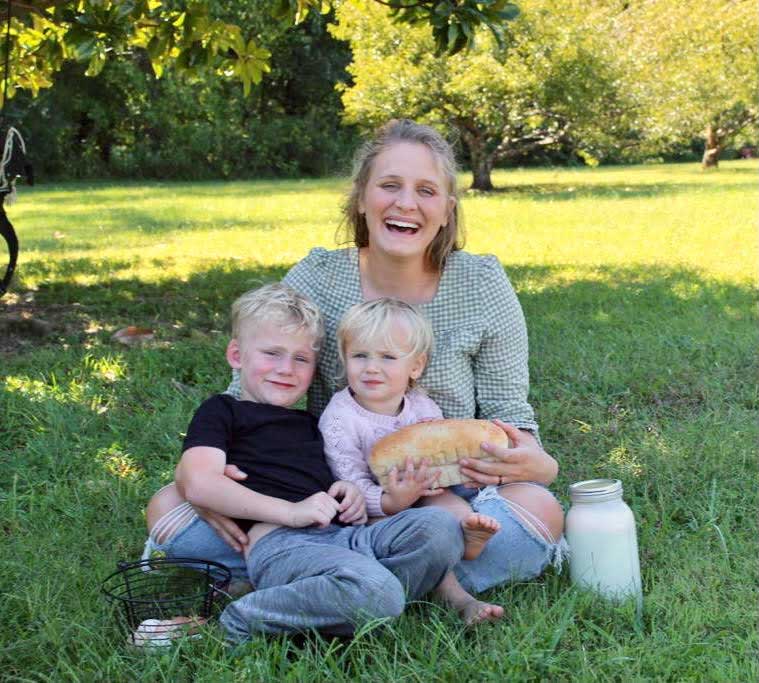
Read More

Babies, Business, and Bumper Crops

Babies, Business, and Bumper Crops: How I am Learning to Homestead with Babies in Tow

Have you ever had one of those days? You know the days when you are cleaning the baby’s diaper, milking the cow, scooping poop in the barn, wiping noses, and cleaning more poop off of kids’ shoes…
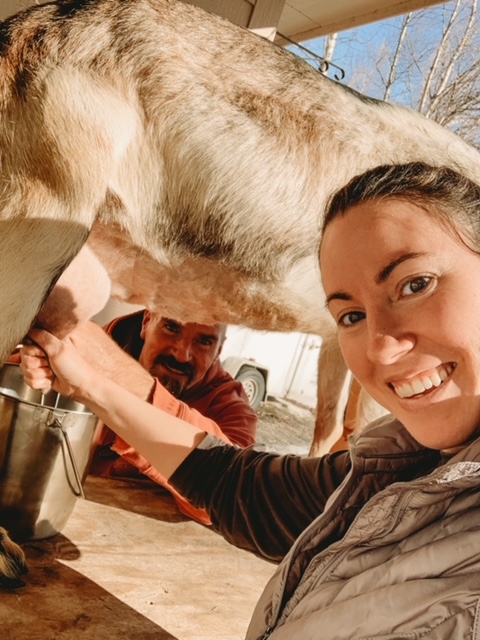
Read More

Frontier Homesteading

Hey there, Homesteading Mama’s!
I’m Rachel from @frontier_homesteading. My husband Ryan, three children and I have been homesteading for about 10 years now, first in Wyoming and now in Alaska.
We currently have milk goats, pack goats, sheep, a pig, a cow, chickens, rabbits, bees and a dog. Seasonally, we also have more pigs, meat chickens and turkeys….

Read More

Holiday Stained Glass Windows with RuthAnn

Stained glass windows date back to the 7th century. With the earliest known reference dating
from 675 AD when workmen were imported from France to Britain to Glaze the windows of a
monastery…
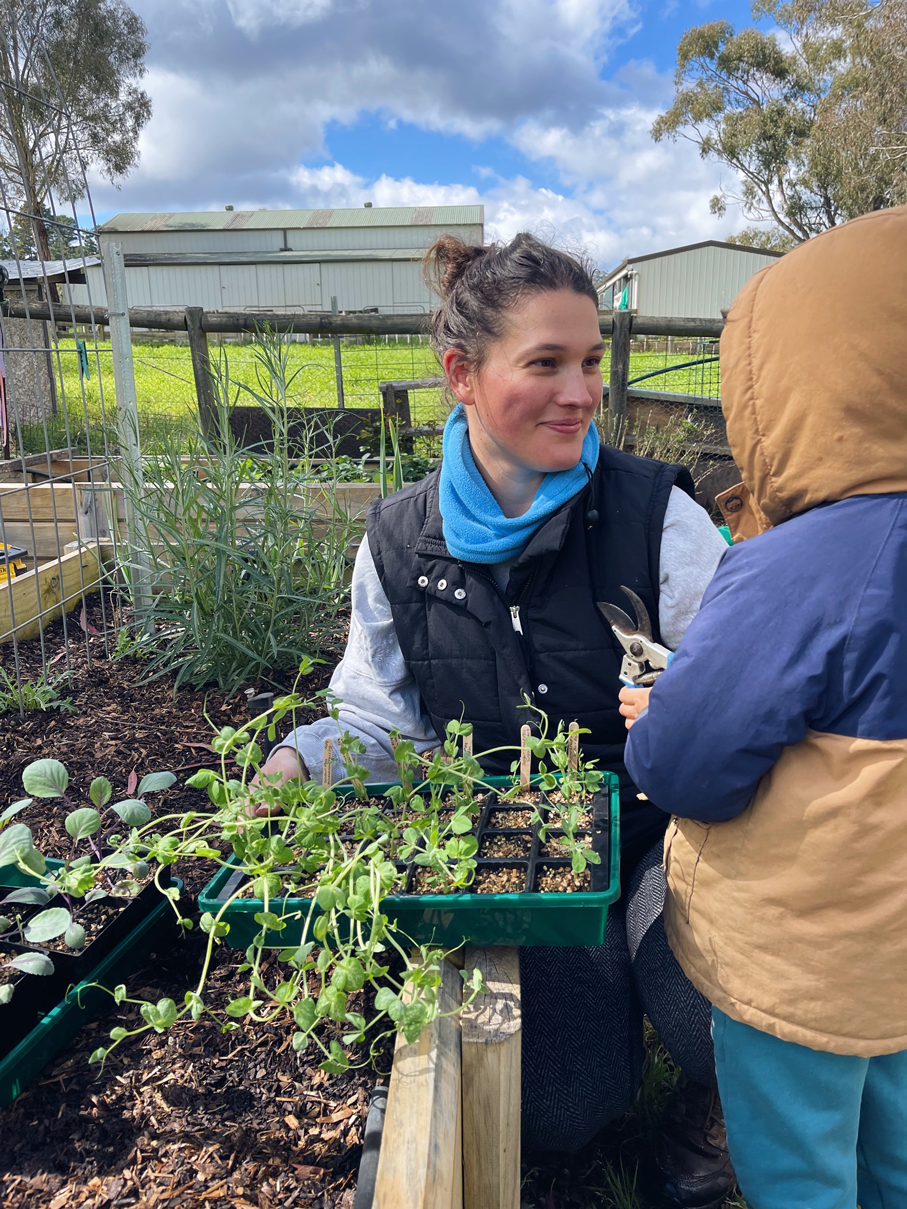
Read More

Returning to Nature

Homesteading and growing food is not the easy way out of this life, i would say it is the hard way as there’s nothing convenient about it. It’s a lifestyle, a life change not a trend or hobby. Well, that’s my opinion any way…
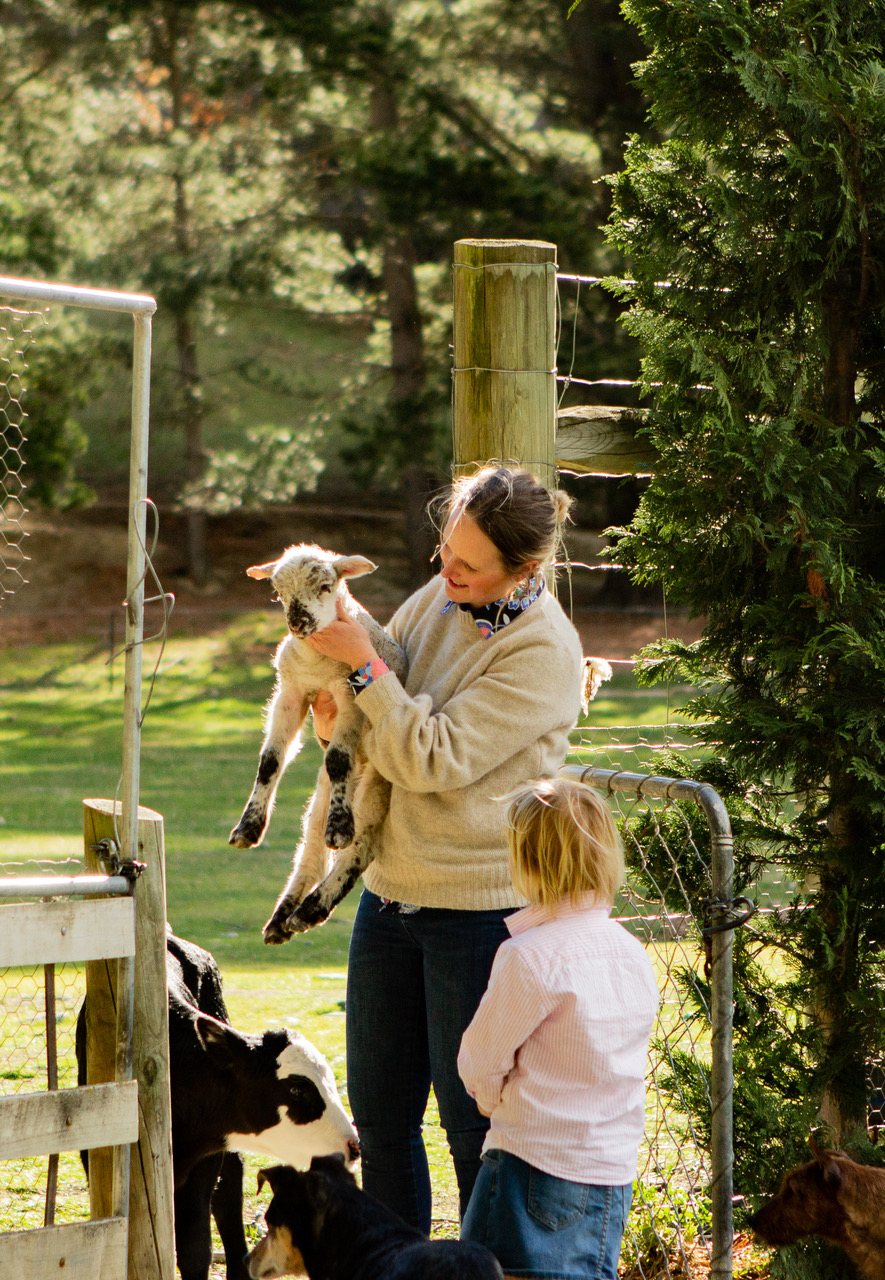
Read More

Awakino Station

Awakino Station is a child’s dream. There is the river to splash in, tussock covered hills to explore, animals to raise and a bustling kitchen with a baking tin full of something yummy to eat…

Read More

Join In The Conversation

Subscribe
Notify of

0 Comments

A Patchwork of Homestead Mamas

An inspiring & encouraging community of Homestead Mamas. For growers, hunters, foragers, & explorers; with little hands & little hearts alongside.

Join Our Community